- Non-surgical
- Once-weekly dosing
- Physician assessment
- Dietitian follow-up
Mounjaro (Tirzepatide) Injection — what is it?
Mounjaro is a once-weekly prescription injection given under the skin, whose active ingredient is tirzepatide. It acts by stimulating both GLP-1 and GIP hormone receptors in the body. In type 2 diabetes it may help regulate blood sugar, and in weight management it may help reduce appetite and prolong the feeling of fullness.
This page describes the physician-led administration process, not the medication itself. The medicine must only be used under a physician's control; obtaining and using it without medical supervision is not appropriate.
How does it work?
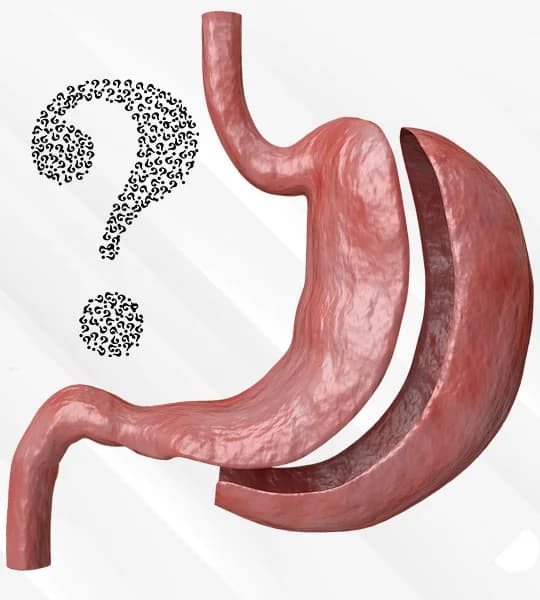
It mimics the effects of the GLP-1 and GIP hormones, which play a role in regulating processes such as insulin release and appetite. It may also slow gastric emptying so that food stays in the stomach longer, which can make fullness last longer and reduce appetite. How strong and how long this effect is varies from person to person.
Assessment before the injection
Before starting, the patient is examined by the physician. A broad check-up is carried out, including blood tests and an ultrasound; an eye examination is also arranged when considered necessary. If no obstacle to treatment is found, the medication is started under the follow-up of the physician and our dietitian team. The dose usually starts low and is adjusted step by step under medical supervision.
How it is administered
Mounjaro comes as a pre-filled pen (KwikPen) and is injected under the skin of the abdomen, thigh or upper arm once a week. The injection is administered by Prof. Dr. Orhan Bat; the schedule of later doses follows the physician's plan.
Nutrition and follow-up
Patients receiving the injection are closely followed by our dietitian team for the first three months. Body fat, muscle mass, visceral fat, metabolic age, metabolic rate, body water and edema are assessed with specialised measuring devices, and a personalised follow-up programme is prepared from these data.
In the first days (usually the first 5 days) a soft, liquid-based diet is recommended, such as water, tea, soup, meat or chicken broth, purée and milk pudding. After that, a gradual return to normal eating follows, guided by the physician's and dietitian's advice.
Accompanying conditions
Conditions such as reflux and gastritis are not regarded as an obstacle on their own. Because excess weight can contribute to these complaints, weight loss may help ease them. However, since the medication can increase stomach and bowel complaints in some people, this is assessed together with the physician.
Excess weight is associated with many health problems, including thyroid disorders (for example Hashimoto's), polycystic ovary syndrome (PCOS), cardiovascular disease, high blood pressure, type 2 diabetes and insulin resistance, fatty liver and high cholesterol. Weight loss may contribute to improvement in some of these conditions; for this reason, whether the injection is an option for people with such conditions is assessed individually by the physician.
Who may not be suitable?
- People with a personal or family history of medullary thyroid cancer or MEN 2 syndrome
- People with a history of pancreatitis
- People who are pregnant, planning a pregnancy or breastfeeding
- People allergic to any ingredient of the medication
This list is not exhaustive; the full medical history, including other medicines such as insulin or oral contraceptives, is reviewed by the physician.
Possible side effects
The most commonly reported side effects affect the digestive system: nausea, vomiting, diarrhea, constipation, abdominal pain, indigestion and loss of appetite. Mild redness may appear at the injection site. These symptoms are usually more noticeable during dose increases and may ease over time. In case of severe abdominal pain, persistent vomiting or signs of an allergic reaction, a doctor should be contacted without delay.
Mounjaro is not a standalone solution; it is considered together with balanced nutrition and regular activity. Weight may be regained after the medication is stopped. This page is for information only; the treatment is decided only after a physician's assessment, and the medicine must not be used outside a physician's control.
How is it done?
- 1
Examination & check-up
The physician's examination, blood tests and an ultrasound assess overall health; an eye exam is arranged when needed.
- 2
Administration
After the suitability assessment, the medication is injected under the skin with a pre-filled pen; later doses follow once a week according to the physician's plan.
- 3
Dietitian follow-up
For the first three months you are followed by our dietitian team; a personalised nutrition plan is prepared from body composition measurements.
Key features
- A method that does not require surgery
- Once-weekly administration
- Dual GLP-1 and GIP hormone action
- May help reduce appetite and prolong fullness
- Support for blood sugar regulation in type 2 diabetes
- Personalised follow-up with a physician and dietitians
Who may it be suitable for?
- People with a body mass index (BMI) of 30 or above
- People with a BMI of 27 or above and a weight-related health condition
- Those who have not achieved sufficient results with diet and exercise
- People with type 2 diabetes who need blood sugar regulation
- Those looking for a non-surgical option
- The final decision on suitability is made after the physician's assessment
Aftercare
- Soft, liquid-based eating in the first days, then a gradual return to normal eating
- Smaller portions and eating slowly
- Drinking enough fluids during the day
- Keeping to the weekly schedule and follow-up appointments
- Regular physical activity
- Contacting a doctor in case of severe abdominal pain, persistent vomiting or allergic symptoms
Frequently asked questions
Can I obtain and use the medicine on my own?
No. The medicine must only be used under a physician's control. Suitability assessment, dose adjustment and monitoring of side effects are carried out by the physician; use without medical supervision is not recommended.
What is Mounjaro and how does it work?
Mounjaro is a prescription medicine with the active ingredient tirzepatide, injected under the skin once a week. By stimulating GLP-1 and GIP hormone receptors it may help reduce appetite, prolong fullness and regulate blood sugar in type 2 diabetes.
What assessments are done before the injection?
A physician's examination, certain blood tests and an ultrasound are carried out; an eye examination is also arranged if needed. If no obstacle is found, the process is started.
How is the injection given, does it hurt?
The medicine is injected under the skin of the abdomen, thigh or upper arm with a fine-needle pre-filled pen. Most people describe a slight prick; sensitivity can vary from person to person.
What are the possible side effects?
Digestive complaints such as nausea, vomiting, diarrhea, constipation, abdominal pain and indigestion are the most common; mild redness may occur at the injection site. Symptoms are usually more noticeable during dose increases. A doctor should be contacted in case of severe abdominal pain or persistent vomiting.
Can it be used if I have reflux or gastritis?
Reflux and gastritis are not regarded as an obstacle on their own. Because excess weight can play a role in these complaints, weight loss may help ease them; however, as the medicine can increase stomach complaints in some people, the decision is made after the physician's assessment.
Can it be used with conditions such as thyroid disease, PCOS, high blood pressure, diabetes or insulin resistance?
Many of these conditions are linked to excess weight, and weight loss may contribute to improvement in some of them. Still, every person's situation is different; suitability is assessed individually by the physician, taking current medicines and history into account.
How should I eat after the injection?
In the first days (usually the first 5 days) a soft, liquid-based diet such as water, tea, soup, meat or chicken broth, purée and milk pudding is recommended. After that you gradually return to normal eating following your physician's and dietitian's advice.
How does the follow-up work?
Our dietitian team follows you closely for the first three months. Fat and muscle ratio, visceral fat, metabolic age and rate, body water and edema are monitored with specialised devices, and a personalised programme is applied based on the results.
How much weight is lost, and are results lasting?
Weight loss varies with dose, nutrition, activity level and personal factors; a specific result cannot be predicted. Because weight may be regained after the medication is stopped, maintaining eating and activity habits is important.
The information on this page is for general information only; diagnosis and treatment decisions are made only after a physician's examination. Results may vary from person to person.